

Why Some Old Brands Feel New Again
Ralph Lauren, Crocs, Barbie and Victoria’s Secret have all found younger audiences again, but not by following the same playbook. Ralph Lauren has kept the codes people already associate with the brand and changed the way they are worn. Crocs has turned a design that was mocked for years into a recognisable fashion object. Barbie has used humour and self-awareness to make a familiar brand feel less dated. Victoria’s Secret has had to go further because some of the imagery that once made it famous no longer worked for the audience it wanted to reach.
What links them is not reinvention for its own sake. Each company has had to decide what still has value, what has become outdated and how much of the old brand should remain visible.
Ralph Lauren changed the setting, not the core idea
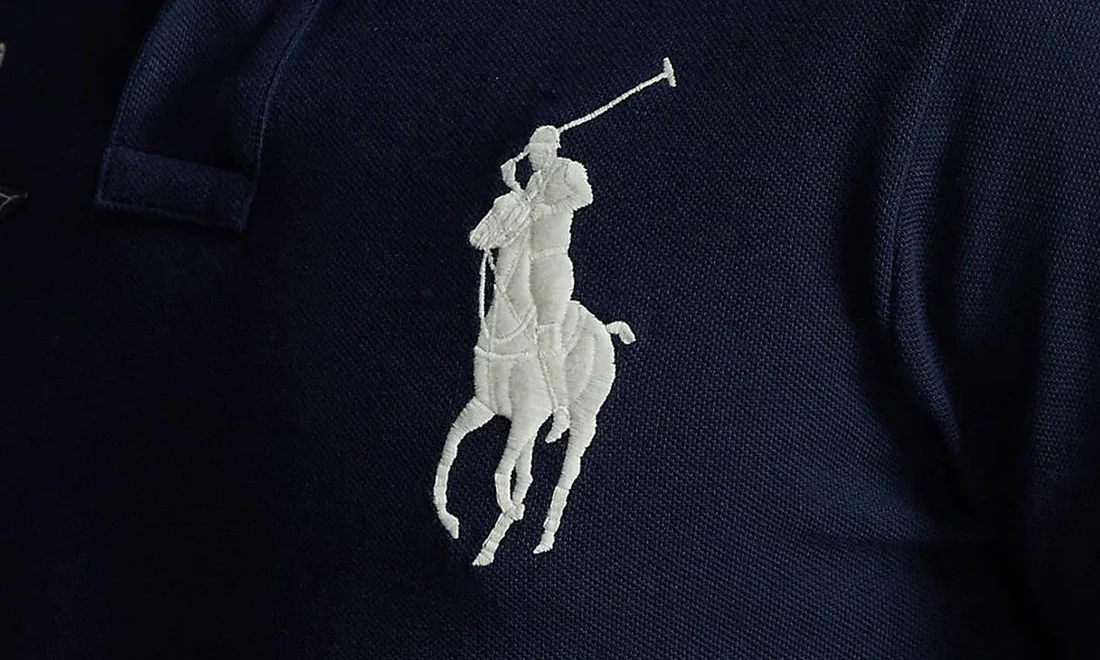
Ralph Lauren has been careful not to overcorrect. The brand still sells the same world it has built over decades: American sportswear, polo, tailoring, collegiate references, equestrian style and a polished version of leisure. A Polo Bear jumper still looks unmistakably Ralph Lauren, and the company has not tried to hide that heritage in order to appeal to younger customers.
What has changed is the way those references are being worn and seen. Preppy dressing, heritage sportswear and more polished silhouettes have returned after several years dominated by oversized streetwear and casual dressing, while social media has made archive fashion much easier to discover. A twenty-year-old consumer can now find old Ralph Lauren campaigns, vintage knitwear and classic styling references without experiencing them as old-fashioned.
The brand has supported that shift through casting, celebrity visibility and sporting partnerships, but it has not allowed those associations to replace the brand itself. Zendaya can wear Ralph Lauren without becoming the identity of Ralph Lauren, while Wimbledon, the US Open and Team USA feel natural because sport and aspiration have been part of the brand for decades.
The sales numbers support that direction. In the first quarter of fiscal 2027, revenue reached about $1.96 billion, with North American sales up 13% and Asia up 24%. China grew by more than 40%, a strong result at a time when many luxury and premium fashion companies have struggled with weaker demand.
Ralph Lauren has not made itself younger by pretending to be new. It has made familiar codes feel current again by placing them in a setting younger consumers already want to be part of.
Crocs made the mocked design the point
Crocs had a simple problem: people knew the shoe, but many also thought it was ugly. Instead of trying to make the clog more elegant, the company kept the same awkward shape and pushed it further into fashion and popular culture.
Collaborations with musicians, designers, games and entertainment brands helped move the shoe into different contexts, while Jibbitz charms turned personalisation into part of the product. The clog itself stayed recognisable, but consumers could make it feel more individual.
That fitted a fashion culture that had become more comfortable with irony, exaggeration and deliberately unconventional design. A product no longer had to be elegant to become desirable; it could be funny, obvious and slightly absurd, especially when people could customise it and share it online.
Crocs Inc. reported record revenue of about $4.1 billion in 2024, while direct-to-consumer sales rose 7.2% and gross margin reached 58.8%. The company did not need to convince everyone that the shoe was beautiful. It made the thing people once mocked into the reason the product stood out.
Barbie used its own baggage
By 2023, Barbie already meant different things to different generations. For some people, the doll represented childhood and imagination. For others, it represented narrow beauty standards and an outdated idea of femininity.
Greta Gerwig’s film used that baggage instead of ignoring it. The story allowed the audience to enjoy the nostalgia while also questioning the brand, which made the film feel less like a corporate celebration and more like a conversation people were already having.
The film made about $1.45 billion worldwide and became the highest-grossing film of 2023. Around it, Barbie moved into fashion, beauty, food, travel and consumer-brand collaborations, helped by a visual identity that almost everyone could recognise immediately.
The pink, the logo, the doll silhouette and the styling were strong enough that other brands could borrow from Barbie’s world without much explanation. The film also gave younger consumers permission to enjoy the brand without accepting its history uncritically.
Barbie did not become relevant again by pretending its past was uncomplicated. It became more interesting because the brand was willing to acknowledge that it was not.
Victoria’s Secret had less room to preserve the old formula
Victoria’s Secret faced a different challenge because some of its strongest brand codes had also become the source of criticism. For years, the company built its image around a very narrow idea of female beauty, amplified through the Angels and the highly theatrical fashion show.
As expectations changed, that image became harder to sustain. The company widened its casting, changed its marketing and product presentation and later brought the fashion show back with a broader mix of models and performers.
The commercial picture has improved. Fiscal 2025 revenue reached about $6.55 billion, up 5% from the previous year, while comparable sales rose 5% for the year and 8% in the fourth quarter.
The brand still has to balance two competing needs. It needs enough glamour, sexiness and spectacle to remain recognisable, but it cannot return to the narrow version of those ideas that defined the old brand so strongly.
That gives Victoria’s Secret less room for a light-touch update. Ralph Lauren could keep most of its old identity. Crocs could exaggerate the feature people had mocked. Barbie could reinterpret its history. Victoria’s Secret has had to rethink parts of its identity because some of the old cues no longer translate in the same way.
Recognition only gets a brand so far
All four companies already had something younger brands spend years trying to build: people knew them.
Ralph Lauren had a clear visual world. Crocs had a product nobody could mistake for another shoe. Barbie had one of the most familiar characters and colour codes in popular culture. Victoria’s Secret had decades of visibility.
But being well known is not the same as being wanted. Ralph Lauren became interesting again when heritage and preppy dressing returned. Crocs benefited from a fashion culture that became more open to unconventional design and personalisation. Barbie used humour and self-awareness to make nostalgia feel less sentimental. Victoria’s Secret has tried to keep the glamour while widening the idea of who the brand is for.
Celebrity partnerships and collaborations can help, but they work best when the brand already has a clear identity. Zendaya can add relevance to Ralph Lauren because the brand already knows what it stands for. A Crocs collaboration works because the clog remains recognisable underneath it. Barbie can support dozens of partnerships because its visual language is already so strong.
The better comeback strategy is therefore not to erase the past or repeat it unchanged. It is to keep the part people still recognise and change the part that no longer works. Ralph Lauren has needed relatively little reinvention. Crocs has turned a former weakness into an asset. Barbie has rewritten how people read the brand. Victoria’s Secret has had to decide which parts of its old identity still belong in the future.
That is what separates a comeback from a temporary burst of attention. A brand feels current again when people still recognise it, but no longer experience it in exactly the same way.