


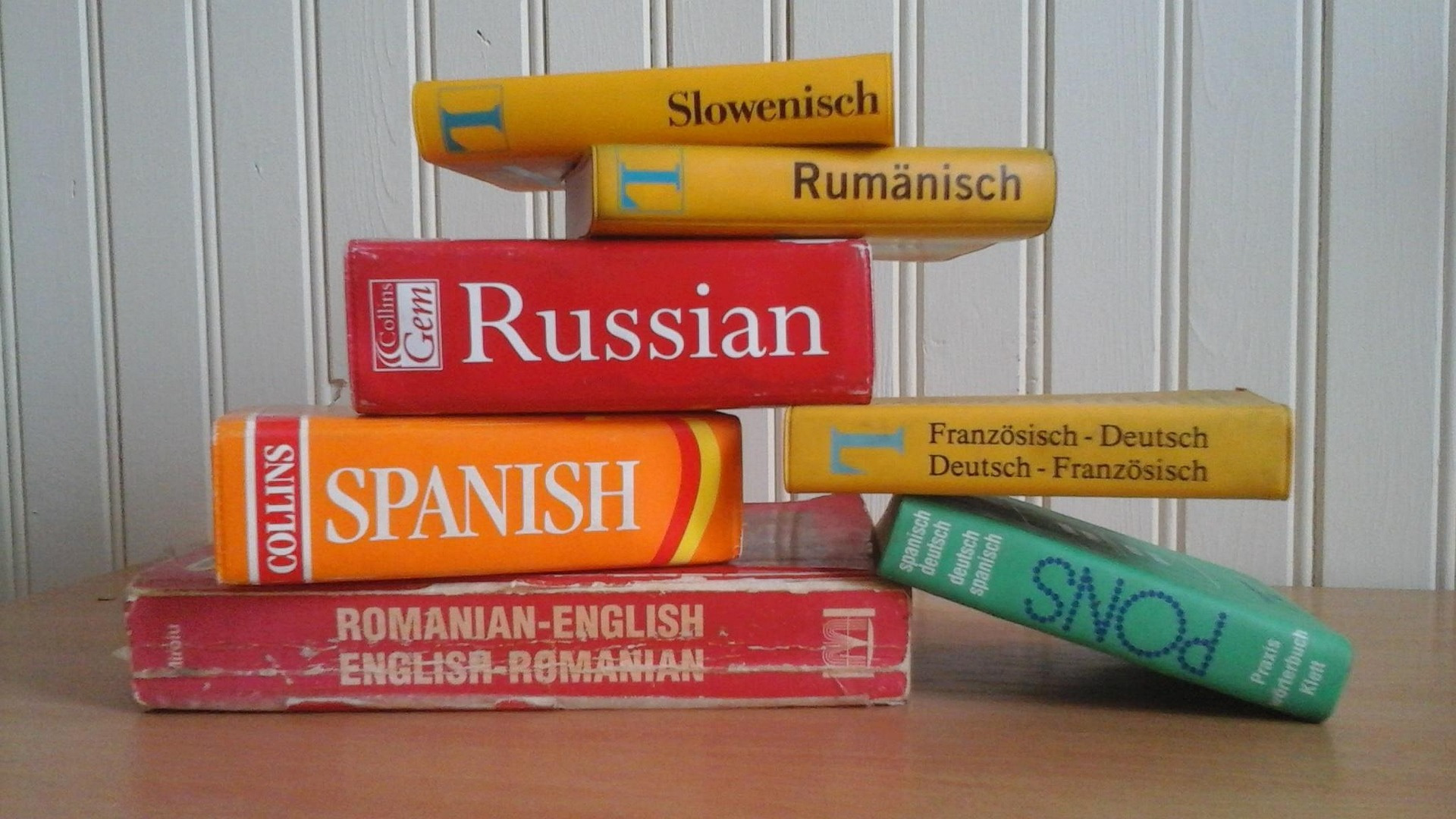
Does Your Swiss Business Really Need a Multilingual Website?
Switzerland has four national languages and a business culture in which English is also widely used, so building a multilingual website can seem like an obvious decision. Yet companies do not need German, French, Italian and English simply because they operate in Switzerland. They should add a language when it helps them reach customers they actually want, when those customers search for their services in that language and when the company can keep the additional pages accurate once they are online.
Around 61 percent of Switzerland’s population names German as a main language, compared with 23 percent for French and 8 percent for Italian, while many people regularly use more than one language. For a company based in Geneva, this can make German-speaking Switzerland an attractive source of new business; for a Zurich company trying to grow in Romandy, French can serve the same purpose. English may make more sense for a wealth manager working with international families or a technology business selling mainly to multinational companies. The choice should therefore start with a fairly simple question: where does the company want its next clients to come from?
Understanding a Language Is Not the Same as Searching in It
Many Swiss customers can comfortably read or speak several languages, but companies should not assume that they use those languages in the same way when looking for a product or service. A French-speaking executive may work in English every day and still search in French for a tax adviser in Lausanne. A German-speaking investor may understand French perfectly well but use German when researching wealth managers. If local search is an important source of new business, the language people use when they search deserves as much attention as the language they could understand if they reached the website another way.
This is also why companies should do keyword research before translating an existing page. A French search term does not necessarily have a German equivalent with similar demand, and people in the two regions may describe the same service differently. Financial and professional services are particularly good examples because terminology that appears to translate neatly on paper may not be the wording clients normally use. Before paying for a German version of a successful French page, the marketing team should check what German-speaking prospects actually type into Google, which competitors already appear for those searches and whether there is enough relevant demand to justify creating the page in the first place.
Choose the Market First, Then the Language
A French-speaking Swiss B2B company that already receives occasional enquiries from Zurich and Basel and wants to grow nationally has a straightforward reason to invest in German content. Sales is targeting German-speaking Switzerland, potential clients are already showing some interest and the website can support that work. A Geneva asset manager may reach a different conclusion if most of its prospective clients are international families, intermediaries and executives who already communicate in English. In that case, improving the English website could generate more useful enquiries than translating everything into German.
Companies should be able to explain a new language in similarly practical terms. “We need German because we want more clients in Zurich and Basel” gives the marketing team something it can plan and measure. “We are Swiss, so the website should be multilingual” does not. Every additional language costs money to create and, more importantly, adds pages that somebody has to maintain when services change, employees leave, regulation changes or the company updates its positioning.
Most businesses already have enough information to make an initial decision. They can look at where current clients and enquiries come from, which languages prospects use when contacting sales, which regions the company wants to develop and whether competitors are attracting search traffic there. If a company sees demand from a region and wants more business from it, supporting that market with its own website content makes sense. If neither sales nor customers are showing much interest, translating hundreds of pages is unlikely to create demand by itself.
Translation Alone Is Often Not Enough
Once a company chooses a language, it should avoid treating the work as a sentence-by-sentence conversion of the existing website. Some pages can be translated with few changes, particularly factual information, but homepages, service pages and landing pages have to work for the people who will actually read them.
A Geneva consultancy that is well known in Romandy, for example, cannot assume that visitors in Zurich recognise the name or understand its position in the market. Its German pages may need more explanation of the company, different client examples or stronger evidence of its experience. The terminology may also change because German-speaking clients describe the service differently. The company is still selling the same expertise, but the website should answer the questions that the new audience is likely to have rather than reproducing the French site as closely as possible.
English needs the same attention. Swiss companies often use English internally and with international clients, which can make an English website seem relatively easy to produce. Yet many sites end up full of formal corporate language that employees would never use when speaking to a client. A technically correct translation can still sound generic, particularly in sectors such as finance, technology and consulting where many competitors make similar claims. Someone fluent in the language and familiar with the subject should therefore review the pages that prospective clients are most likely to use when deciding whether to contact the company.
You Do Not Have to Translate the Entire Website
Companies can also control the cost by being selective. Entering German-speaking Switzerland does not mean every old news release, employee biography and blog article needs a German version from the first day. It usually makes more sense to start with the homepage, the services the company wants to sell in that market, relevant sector pages, information about the business and clear contact routes.
Search research may show that the company should also create pages specifically for German searches rather than translating existing French content. If prospective clients regularly search for a service using a term that has no strong equivalent on the French website, a dedicated German page could be more useful than translating ten articles that receive very little traffic. The company can then add content when search data and enquiries show which subjects deserve more attention.
Starting with fewer pages also makes the website easier to manage. A German-language section that contains twelve current and useful pages can serve prospective clients better than a much larger site where prices, employee information or services have not been updated for two years. Companies should decide who is responsible for each language before they publish it, because keeping pages accurate is part of the cost of going multilingual.
Multilingual SEO Needs Work in Every Language
The technical setup should make it easy for both visitors and search engines to find the right version. Google recommends separate URLs for different languages, such as “/de/”, “/fr/” and “/en/”, and companies can use “hreflang”
to show which pages correspond to one another. Visitors should also be able to select their preferred language instead of being permanently pushed towards a version based only on their location.
After that, each language needs its own SEO work. Page titles, headings, descriptions and internal links should reflect the searches people make in that market rather than direct translations of the original keywords. A French page that performs well tells a company which subject interests French-speaking visitors; it does not automatically tell the company what wording will attract German-speaking visitors.
Marketing teams should therefore monitor the language versions separately. Search Console can show which terms are generating impressions and clicks, while website analytics and CRM data can show whether those visitors become enquiries or clients. If the German pages attract relevant searches but almost nobody gets in touch, the company may need to improve the offer, proof points or contact journey. If the pages barely appear in search at all, the team should look again at keyword choices, technical implementation and whether there was enough demand for the subject.
AI Can Lower Translation Costs, but Someone Should Still Check the Copy
AI has made it much easier to create a first translation, particularly for companies with large websites. It can handle routine content quickly and reduce the amount of manual work required, so companies no longer need to approach every additional language as if every sentence had to be translated from scratch by an external agency.
They should still check what they publish. A financial company cannot afford loose terminology on a product page simply because an AI tool produced fluent German, while a technology company may find that technically accurate copy uses terms its customers would never use. AI also tends to reproduce the polished corporate phrasing that already makes many B2B websites sound alike.
A sensible approach is to use the technology where it saves time and then spend human editorial effort on pages that influence buying decisions. Homepages, service descriptions, regulated content, calls to action and important landing pages deserve careful review, while more routine material can usually follow a lighter process. The company gets much of the cost advantage without asking prospective clients to read unchecked machine-generated copy.
Is English Enough for a Swiss Company?
For some companies, yes. A specialised B2B business dealing almost exclusively with multinational corporations may conduct its entire sales process in English, from the first introduction through procurement and contract negotiations. A technology provider or investment company with a highly international client base can therefore have a strong reason to put English ahead of another Swiss national language.
English becomes less useful as a substitute when the company depends on local search. Someone looking for a wealth manager in Zurich or a business adviser in Lausanne may search in German or French and find competitors that have built pages around those queries. The English-only company might be perfectly capable of serving the client, but the client has to discover it first.
Companies should look at how their customers actually arrive. If most business comes through international referrals and prospects already expect to communicate in English, creating extensive German and French sections may not be worth the cost. If search is an important source of leads and the company wants to reach customers in specific Swiss regions, publishing useful content in the languages those customers use becomes much harder to avoid.
Which Language Should You Add First?
There is no standard answer for Switzerland. A company in Romandy that wants to grow in Zurich and Basel should investigate German. A German-speaking business building a serious client base in Geneva or Lausanne should do the same with French. English may deserve priority for companies serving international businesses, executives or private clients, while Italian makes sense when Ticino is genuinely part of the sales plan rather than a language added for completeness.
Before translating anything, marketing and sales should look at where they want more business, which languages those prospects use, whether the company already receives enquiries from those markets and what people search for when they need the service. They should also decide who will maintain the new pages and how they will judge whether the investment works.
If the company wants to win clients in German-speaking Switzerland, for example, it should build German pages around the services those clients need, the words they use when searching and the questions they ask before buying. That is much clearer than simply translating the existing website because the business happens to operate in a multilingual country.